

-
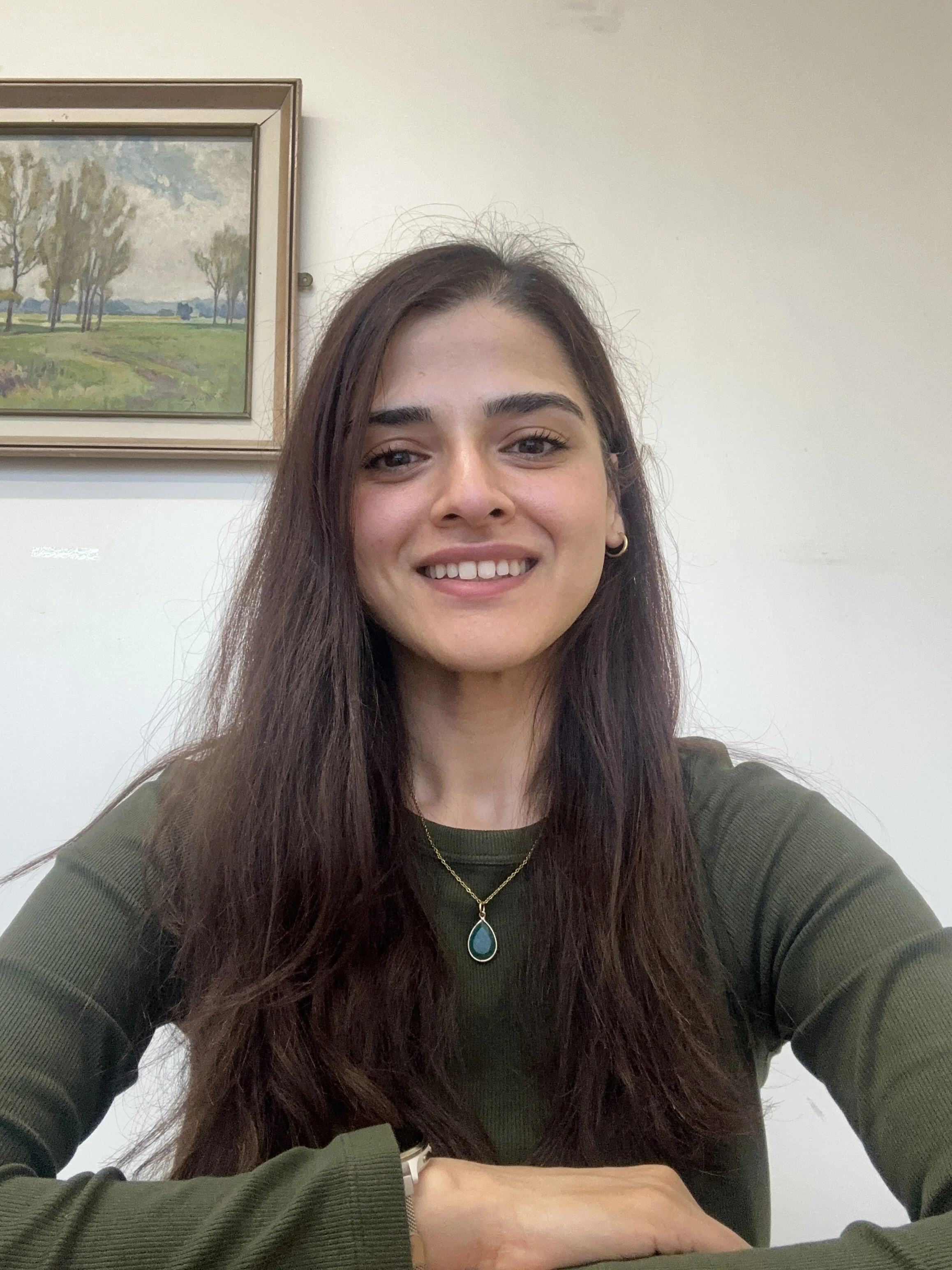
I am a London-based Registered Social Worker and qualified Psychotherapeutic Counsellor with over ten years of experience working exclusively within specialist mental health services.
My professional background includes Inpatient Psychiatry, Early Intervention for Psychosis and Liaison Psychiatry.
Alongside my NHS role, I now provide private counselling and structured psychosocial interventions through Sitara Psychosocial Services.
-
Throughout my career, I have chosen to work within specialist and complex areas of mental health. I have supported people experiencing severe and enduring mental illness, emotional distress, psychosocial crises and major disruptions to their health, relationships and everyday lives.
What has always drawn me to working in mental health is the opportunity to understand the person behind the symptoms, diagnosis or situation. I have seen how people can be reduced to labels or viewed only through the difficulties they are experiencing. My approach is to remain curious about the person’s history, relationships, coping patterns, strengths and wider circumstances.
Some of the most meaningful parts of my career have involved supporting people to regain confidence, stability and hope after periods of significant difficulty. These experiences have strengthened my belief that people are more likely to make meaningful changes when they feel genuinely heard, respected and understood.
My current work in Liaison Psychiatry involves supporting people with the psychological, emotional and practical effects of physical illness and hospital admission. This includes complex assessment and formulation, risk management, safeguarding, multidisciplinary working and recovery-focused intervention.
Training as a Psychotherapeutic Counsellor allowed me to develop the relational and therapeutic aspects of my practice further. It deepened my understanding of emotional processing, identity, relationships, repeated patterns and the role of the therapeutic relationship in creating change.
My social work and counselling backgrounds now inform each other. Together, they allow me to consider both a person’s internal emotional world and the wider social, cultural and practical circumstances affecting their life.
-
Sitara was created from my belief that good counselling and psychosocial support should be financially accessible. I therefore offer both pathways at an affordable rate of £35 per 50-minute session. This rate is available to all clients. There are no income requirements, eligibility criteria or financial assessments.
The word Sitara means star in Urdu. For me, it represents guidance, direction, hope and movement through difficult periods of life. It also reflects my South Asian background and my wish to create a service in which culture, identity and lived experience can be discussed openly.
As someone from a British South Asian background, I welcome people from all cultural, ethnic and minority backgrounds. Culture may shape how we understand emotional distress, family relationships, identity, responsibility, mental health and help-seeking. I will not make assumptions about what culture means to you, but I recognise that it may be an important part of understanding your experiences.
Sitara was also developed from the recognition that emotional wellbeing, recovery, functioning and everyday life cannot always be separated.
For some people, counselling offers the space they need to explore emotions, experiences and relationships. Others may need a more structured and practical intervention that considers routines, relationships, confidence, social circumstances and recovery goals alongside emotional wellbeing.
Sitara therefore offers two distinct pathways: psychotherapeutic counselling and structured psychosocial recovery intervention. Both are grounded in the belief that support should be collaborative, respectful and responsive to the individual rather than forcing everyone into the same model.
-
My 10 years of working in psychiatry have given me experience in supporting people with a wide range of mental health needs.
While my counselling specialist interests continue to develop, I have a particular interest in personality disorder, psychosis, women’s mental health and OCD, including where this overlaps with neurodivergence, as well as supporting people who suspect they are neurodivergent and find everyday life challenging.
Areas I work with include:
Anxiety and overthinking
Depression and low mood
Stress and feeling overwhelmed
Low self-esteem and confidence
Relationship difficulties and recurring patterns
Difficulties managing emotions
Work-related stress and burnout
Trauma and its impact
Family difficulties and estrangement
Bereavement, grief and loss
Life changes and uncertainty
People-pleasing and difficulties setting boundaries
Perfectionism and self-criticism
Loneliness and feeling disconnected
Identity, belonging and cultural expectations
Women’s mental health
Neurodivergence and its impact on everyday life
Exploring suspected or late-identified neurodivergence
ADHD-related difficulties
Autism-related difficulties
OCD and intrusive thoughts
Personality disorder and complex emotional needs
Psychosis and recovery
Living with long-term mental health difficulties
Carer burnout
Compassion fatigue
-
My approach is warm, grounded and collaborative. I will not assume that I understand your experiences better than you do, or that one therapeutic approach will work for everyone.
My overall approach is pluralistic and person-centred. This means that we will work together to identify what you hope to gain from our sessions and the type of support that may be most helpful to you. The balance between emotional exploration and practical intervention will depend on the pathway you choose and your individual needs.
Depending on your needs, our work may include:
Exploring emotions and difficult experiences
Recognising repeated patterns in relationships or coping
Understanding how earlier experiences may affect you in the present
Making sense of mental health diagnoses or experiences of services
Exploring identity, culture, belonging and family expectations
Developing greater self-awareness and self-compassion
Using psychoeducation or practical strategies where helpful
Identifying realistic and meaningful changes
You will not be expected to present your experiences neatly or know exactly what you need before getting in touch. We can begin by considering what is currently happening, what you would like to understand or change and whether I am the right practitioner to support you.
I aim to offer a space that feels emotionally safe without being distant or overly clinical. I will listen with compassion, but I will also be honest, curious and willing to gently challenge patterns when this may help you move forward.
Our work can be brief or longer term, depending on the pathway and your individual needs. We will review our work together at appropriate points to ensure that it continues to feel relevant, helpful and purposeful.
-
BSc Psychology with Cognitive Neuroscience, 2010-2013, University of Leicester.
MA Social Work, 2018-2020, University of Manchester.
King’s Trust Level 5 Professional Diploma in Psychotherapeutic Counselling Practice, 2024-2026, Chrysalis Courses.
-
Social Work England (SWE): Registered Social Worker - SW131863
National Counselling and Psychotherapy Society (NCPS): Accredited Registrant - MNCPS (Acc.), NCS23-04116